
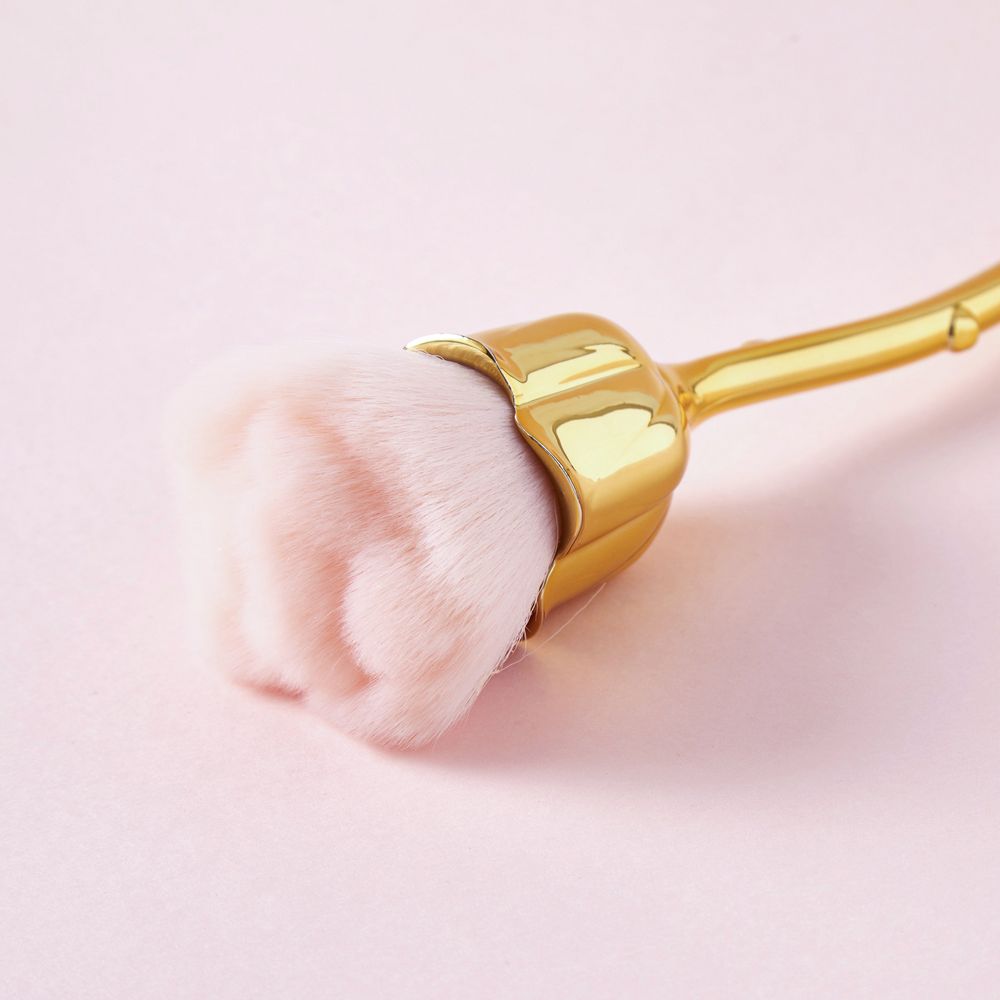
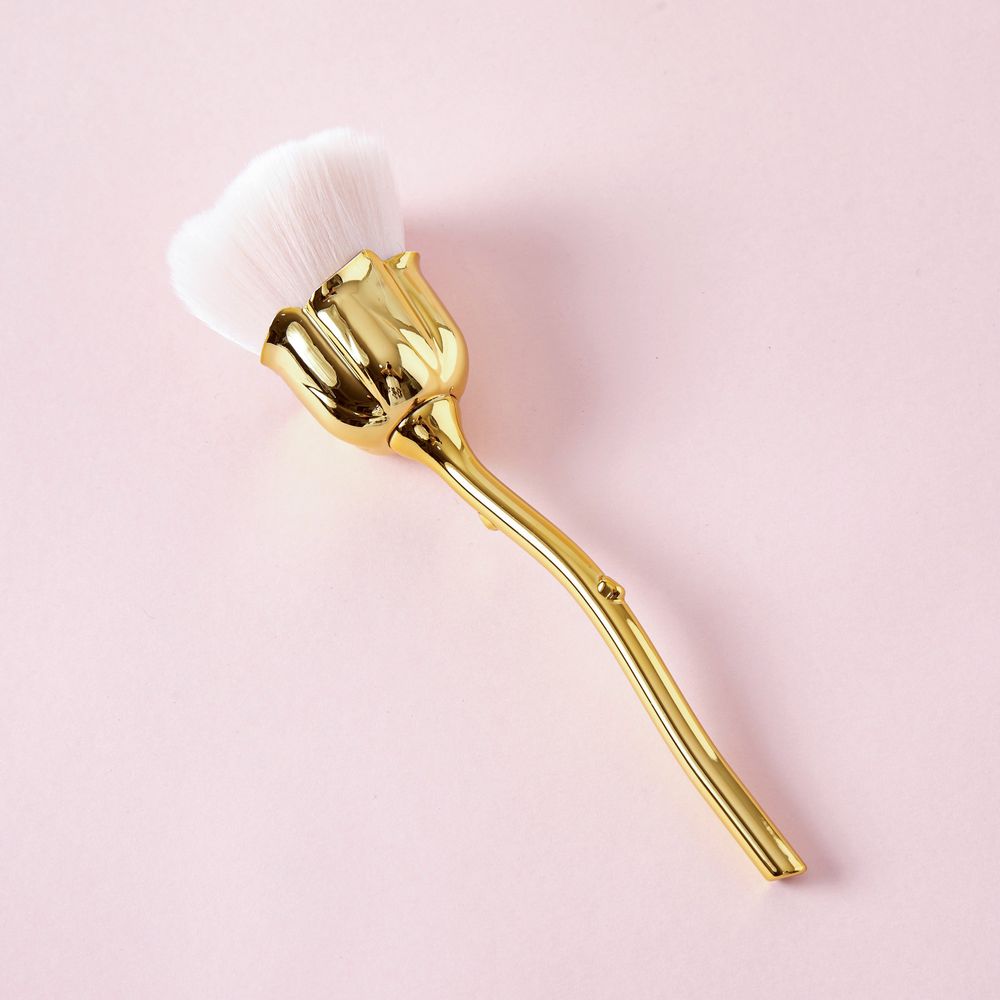
In a busy nail salon every second counts. A small, reliable dust brush that fits into your cadence keeps workstations neat, speeds up service, and helps you present a polished result to each client. The rose flower style nail salon dust brush adds a touch of decor while serving a straightforward function: clearing nail dust between steps.
Where this brush fits in a professional routine
Think of the dust brush as a quick, frequent-use tool rather than a finishing brush. Use it after filing and shaping to remove loose acrylic or gel dust before buffing, priming, or applying product. It’s also handy for a light sweep after drilling to clear surrounding skin and cuticle areas before sanitizing the nail plate.
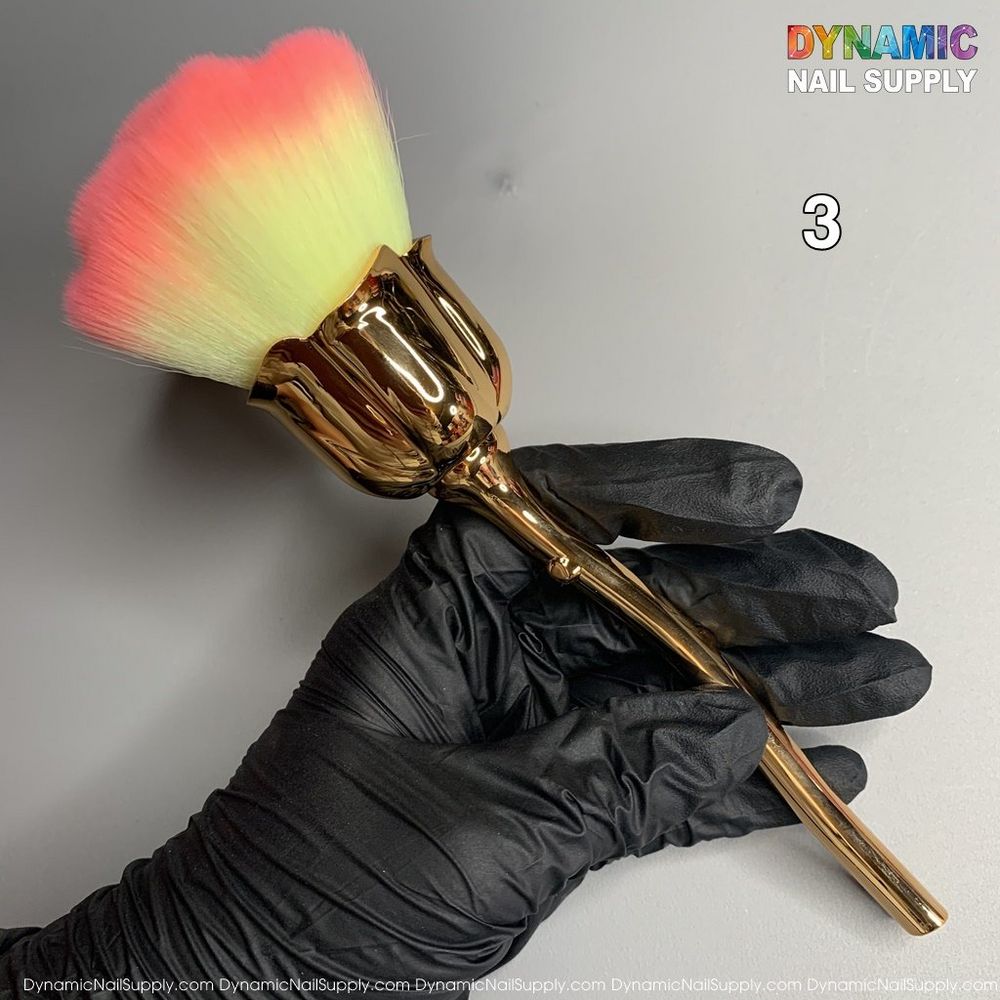
For teams that follow a step-by-step station protocol, a dust brush is the third or fourth tool to reach for — after files and electric drills but before primer, base coat, or resin application. If you maintain multiple workstations, keep one brush per station to avoid cross-traffic and speed service hand-offs. You can find this product as the nail salon dust brush rose in four color choices that help assign brushes to stations or services.
Step-by-step: Integrating the brush into service flow
- Prep: File and shape the nail, remove calluses and dead skin around the nail bed.
- Sweep: Use the dust brush to sweep away loose particles from the nail surface and cuticle area.
- Sanitize: Follow with your chosen sanitation step (wipe, spray, or other method required by your salon protocol).
- Apply: Continue with buffing, priming, and product application.
- Repeat as needed: A quick sweep between layers or products can reduce contamination and ensure better adhesion.
Color coding and inventory tips
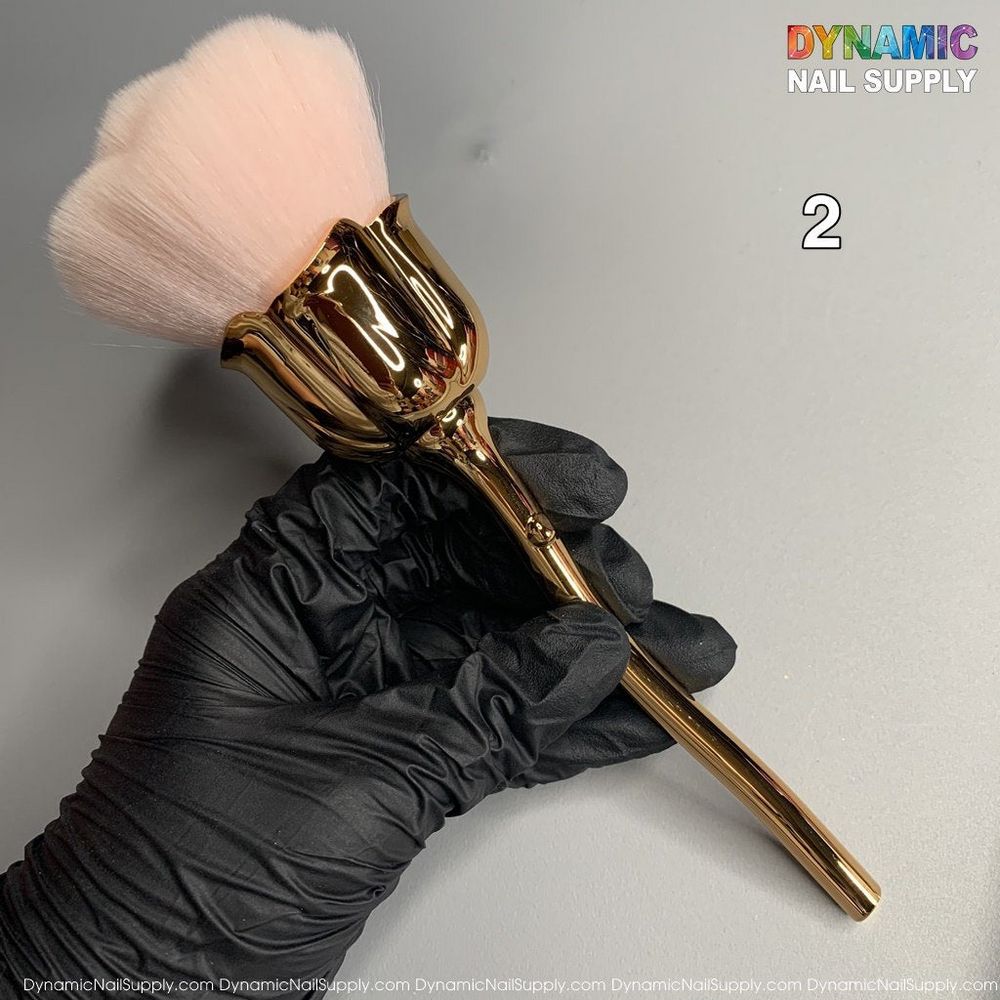
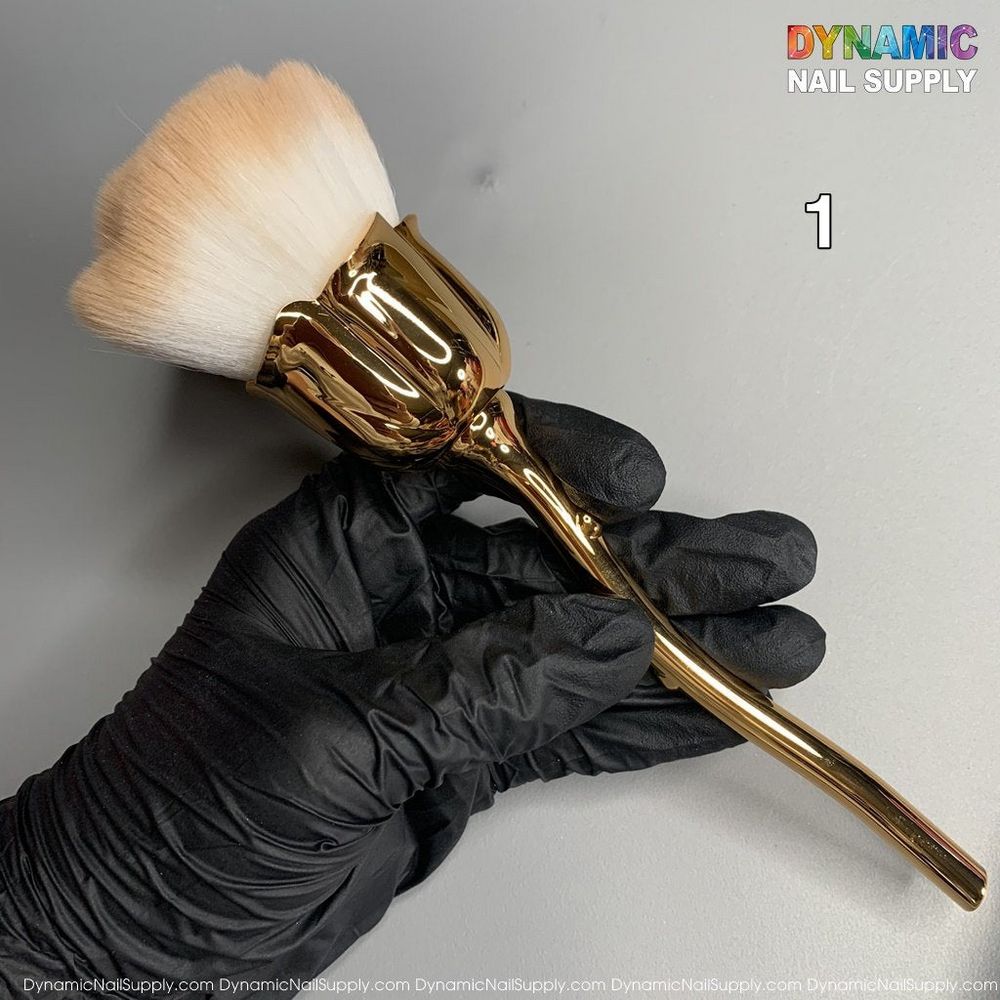
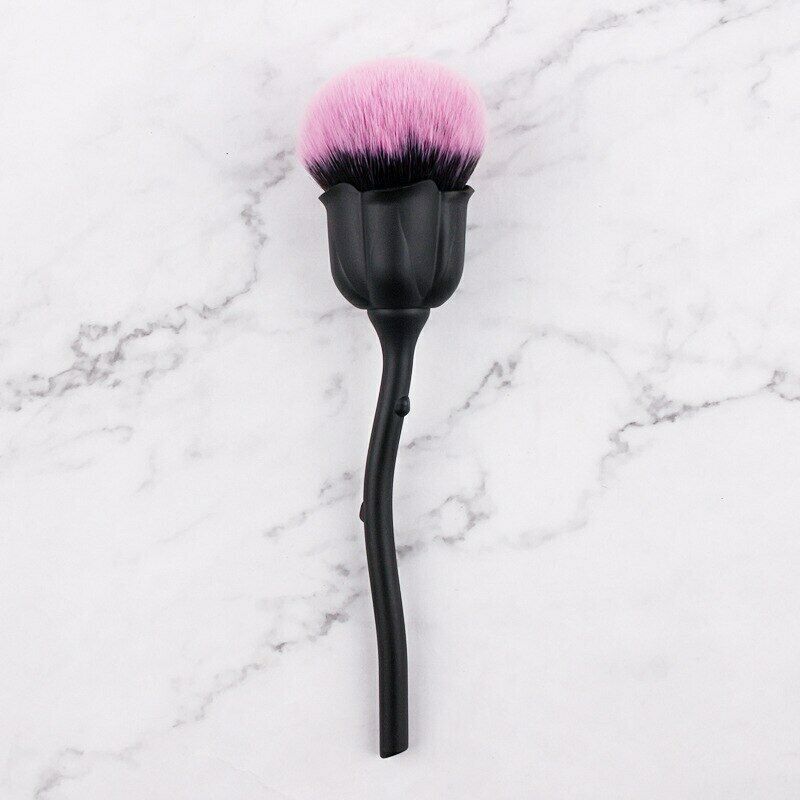
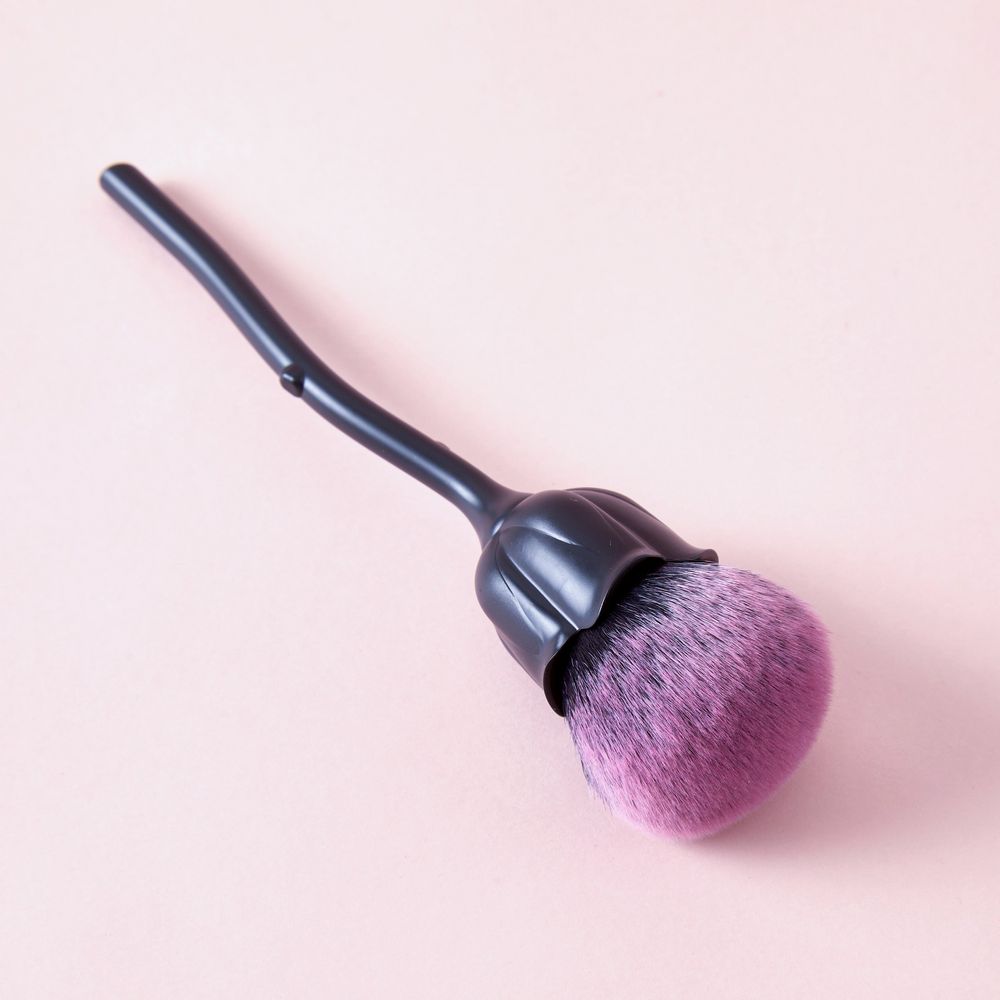
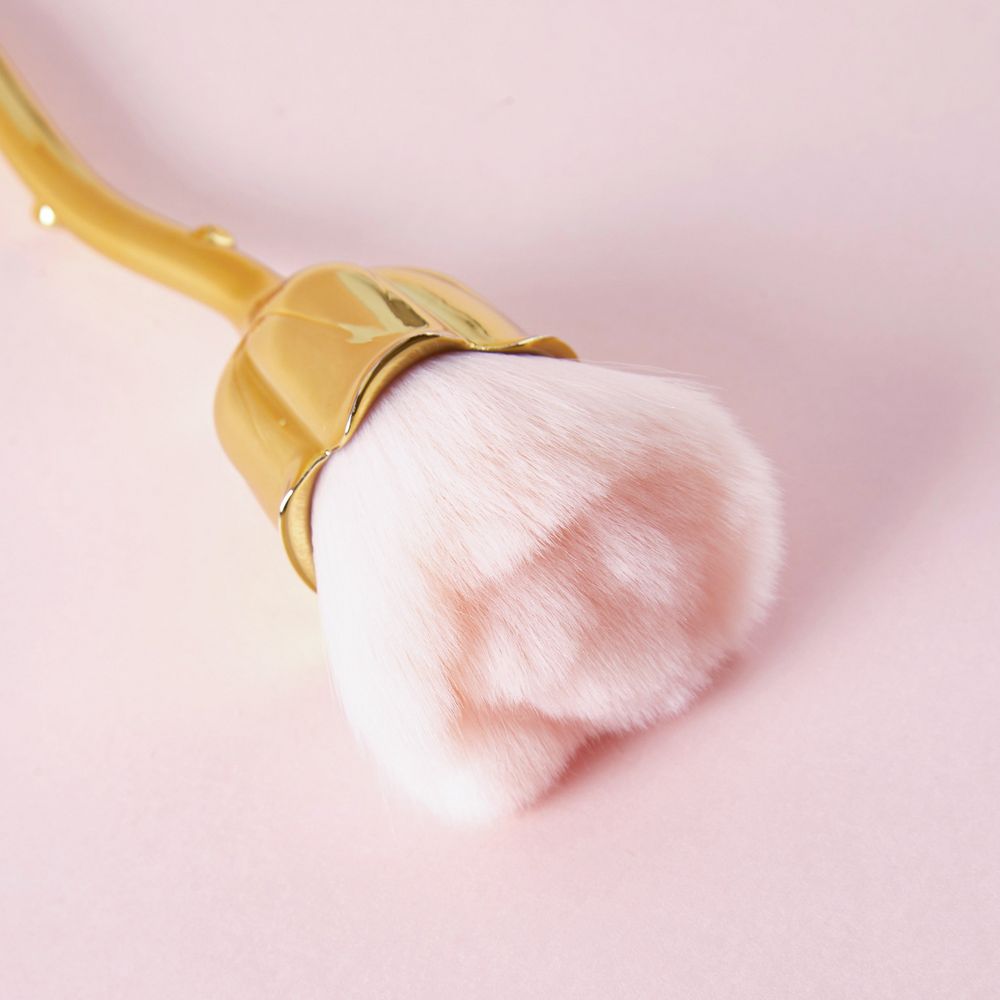
The brush comes in four color options: 1 – brown, 2 – pink, 3 – hot neon, and 4 – black & pink. Use color coding to reduce mistakes and improve speed. Examples:
- Assign a color per nail technician to keep personal toolkits distinct.
- Reserve one color for short, express services and another for full sets to make restocking intuitive.
- Use neon or black & pink for high-traffic stations where visibility matters; softer colors can live at reception or retail displays.
Key features in a salon context
- Decorative rose style: Aesthetic details make the brush feel like part of the salon brand rather than just a utilitarian tool.
- Multiple color variants: Four options let you implement straightforward color-coded workflows or match salon decor.
- Affordable unit cost: Priced at $7.00, the brush is cost-effective for stocking multiple stations or offering as a small retail item.
- Clear SKU references: Each color has a variant SKU to simplify ordering and inventory tracking.
Who should add this brush to their kit?
This brush is designed for nail technicians, salon owners, mobile techs, and educators who need an inexpensive, attractive tool for everyday dust management. It’s a sensible pick for salons that want to standardize toolsets across multiple stations without a big expense. Dynamic Nail Supply carries the item, so it’s easy to reorder matching colors when you refresh supplies.
Practical care and safety notes
Keep brushes dedicated to single workstations or single technicians to limit cross-contamination. After each client, remove visible debris and follow your salon’s sanitization protocol for brushes—wiping or approved disinfectant steps recommended by local regulations. Store brushes in a dry, dust-free container between uses to maintain a clean workspace and extend the life of the tool.


Tips to get the most value
- Buy extras for peak times: keep spares in a backstock so a misplaced brush doesn’t interrupt service.
- Match brush color to service cards or appointment types to speed team coordination.
- Offer them at retail: because of the decorative look, clients may like a take-home brush for at-home maintenance.
In summary, the rose flower style nail salon dust brush is a small, inexpensive addition that earns its place in a professional workflow by improving cleanliness, speeding the prep phase, and adding a coordinated look to stations. Thoughtful color choices and simple station rules help it pull more work weight than its size suggests.
